Responsive QA
Review layout behavior at the same dimensions on every run.
Custom viewport sizes
Set repeatable width and height values for desktop, tablet, and mobile screenshots, then combine them with mobile emulation when device behavior matters.
Review layout behavior at the same dimensions on every run.
Store common device sizes in request templates and schedules.
Repeat each viewport across US, Europe, and Australia / Asia Pacific.
The viewport determines the screen size and resolution the browser renders at, which directly controls how a page's responsive layout behaves — which breakpoints fire, how navigation collapses, and how content reflows. Setting an explicit viewport means every capture reproduces exactly what a visitor on that device sees, and repeat runs stay pixel-consistent for comparison.
Adjusting the viewport to simulate different device screens is essential for responsive design testing, device-specific marketing assets, and quality assurance across desktop, tablet, and mobile resolutions. If you need to capture everything below the fold as well, pair a viewport width with full-page capture.
Custom viewports allow you to tailor screenshots for specific devices and resolutions, providing precise visual documentation. Here are a few scenarios where this feature is particularly beneficial:
The default viewport size is 1920x1080, which represents the typical Full HD (1080p) resolution for desktop screens. This resolution is widely used and ensures that your screenshots reflect common desktop experiences.
For more insights into popular screen resolutions, visit StatCounter, where you can explore statistics and filter by region or device type.
Below are examples of how to request screenshots for various devices and resolutions:
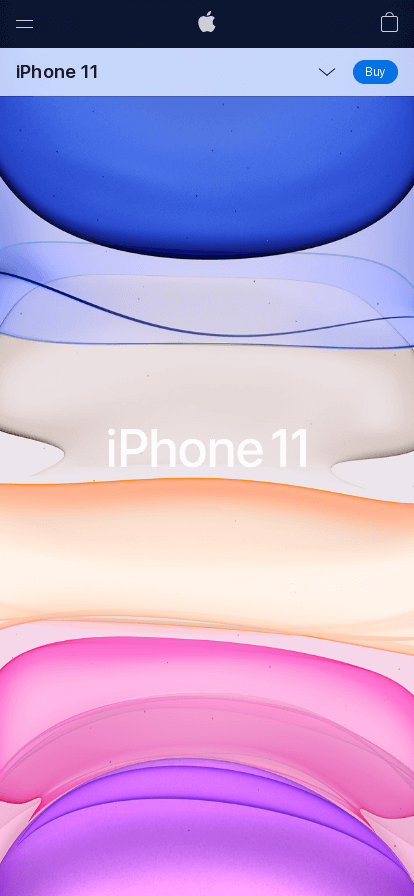
To capture a screenshot with a viewport size of 414x896, simulating an iPhone 11:
// Example request for iPhone 11 https://api.addscreenshots.com/screenshots
?apikey=YOUR_API_KEY
&viewport=414x896
&url=https://www.apple.com/iphone11/
Your API key can be found on the API Keys page. Need an API Key? Sign up to get started.
For internal applications, replace YOUR_API_KEY with your own unique API Key.
For public facing websites or hotlinks, generate a signed URL.
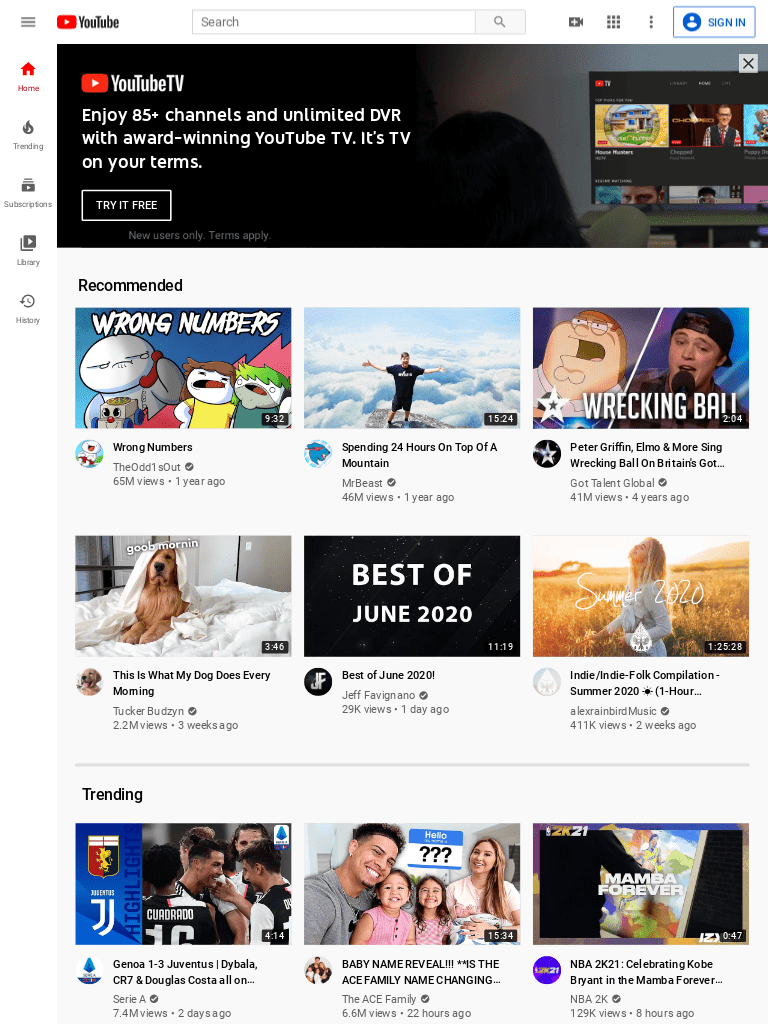
For a tablet-sized screenshot with a viewport of 768x1024:
// Example request for Tablet https://api.addscreenshots.com/screenshots
?apikey=YOUR_API_KEY
&viewport=768x1024
&url=youtube.com
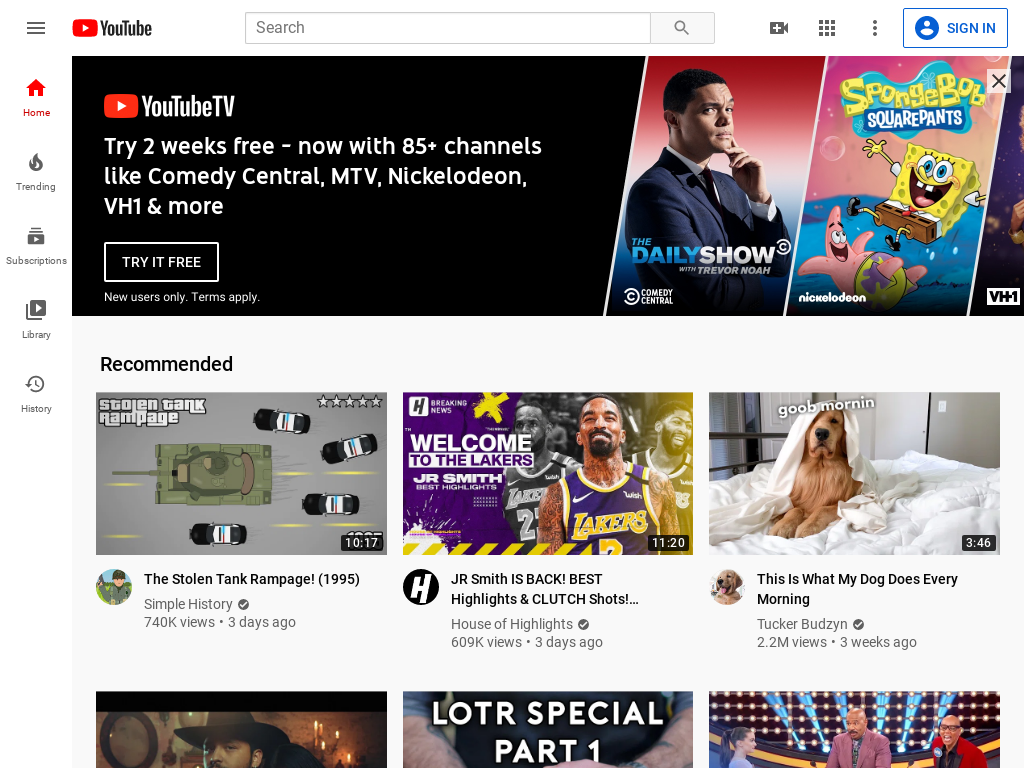
To capture a screenshot with a smaller desktop viewport of 1024x768:
// Example request for Small Desktop https://api.addscreenshots.com/screenshots
?apikey=YOUR_API_KEY
&viewport=1024x768
&url=youtube.com
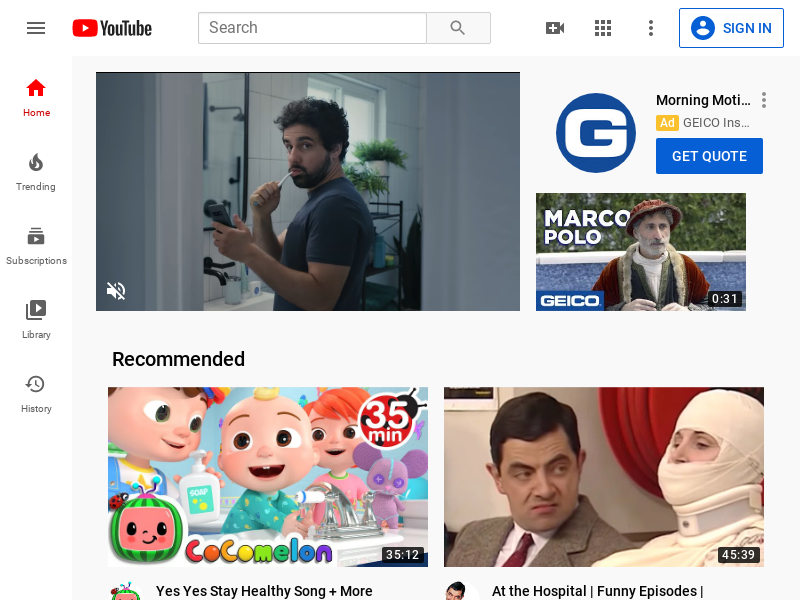
For a tiny desktop viewport of 800x600:
// Example request for Tiny Desktop https://api.addscreenshots.com/screenshots
?apikey=YOUR_API_KEY
&viewport=800x600
&url=youtube.com
To capture a screenshot mimicking iPhone 6, 7, or 8 with a viewport of 375x667:
// Example request for iPhone 6, 7 & 8 https://api.addscreenshots.com/screenshots
?apikey=YOUR_API_KEY
&viewport=375x667
&url=youtube.com

// Example request for optimized mobile screenshot https://api.addscreenshots.com/screenshots
?apikey=YOUR_API_KEY
&viewport=375x667
&mobile=true
&url=youtube.com
Pass viewport=WIDTHxHEIGHT in your API request or request template to mirror desktop, tablet, or mobile dimensions.
Yes. Add &mobile=true alongside the viewport setting to emulate mobile user agents, touch events, and device metrics.
No. You can run concurrent captures with different viewports across three regions and deliver results directly to your storage.
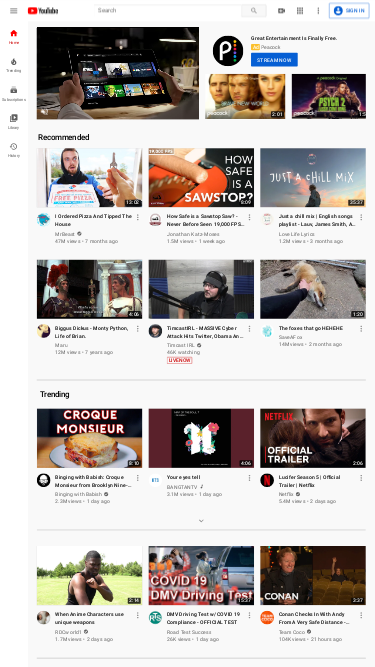
Save the viewport sizes your team reviews, then run them across mobile mode, regions, and scheduled workflows.