Responsive QA
Validate layout, typography, navigation, and calls to action across device classes.
Responsive device capture
Set the viewport and mobile emulation together to verify responsive navigation, content density, media queries, and touch-first layouts.
The viewport controls page dimensions. The mobile=true setting enables mobile browser behavior and media-query rendering for a realistic device result.
Validate layout, typography, navigation, and calls to action across device classes.
Combine device profiles with regional rendering for market-specific review.
Pair mobile captures with visual diffs to catch regressions.
By default, the mobile setting is false, which is ideal for viewing websites designed for desktop or tablet screens. This setting helps you verify how your site appears on larger screens or sites not specifically optimized for mobile devices.
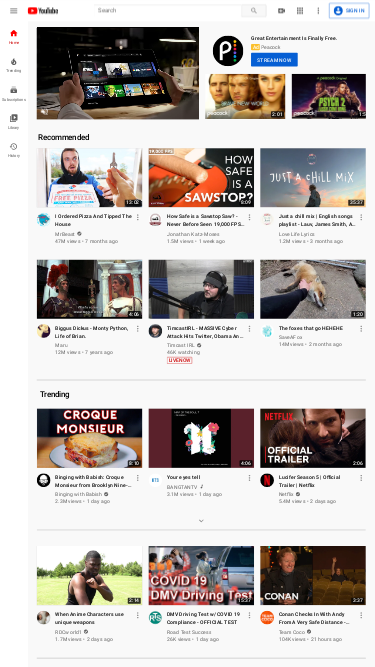
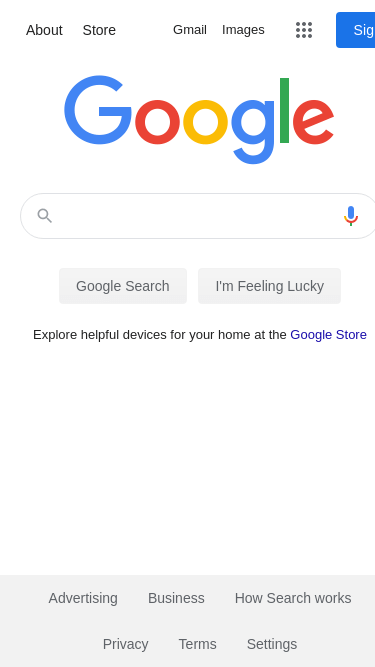
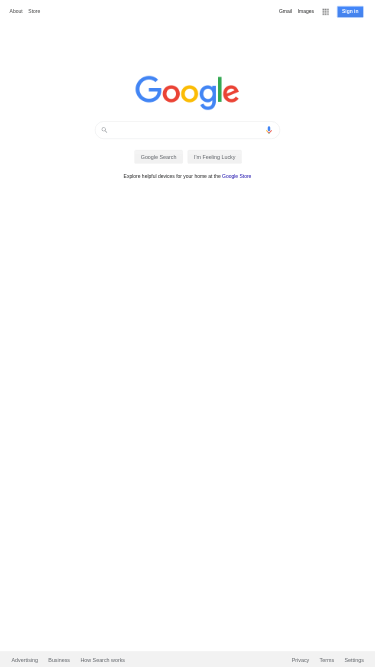
Both captures use a 375 x 667 viewport. Compare the desktop layout constrained to that width with the mobile-emulated result.
mobile=false keeps desktop browser behavior.
// Desktop behavior at 375 x 667https://api.addscreenshots.com/screenshots
?apikey=YOUR_API_KEY
&viewport=375x667
&mobile=false
&url=youtube.com

mobile=true enables mobile browser behavior.
// Mobile behavior at 375 x 667https://api.addscreenshots.com/screenshots
?apikey=YOUR_API_KEY
&viewport=375x667
&mobile=true
&url=youtube.com
Your API key can be found on the API Keys page. Need an API Key? Sign up to get started.
For internal applications, replace YOUR_API_KEY with your own unique API Key.
For public facing websites or hotlinks, generate a signed URL.
Desktop behavior constrained to the smaller viewport.
https://api.addscreenshots.com/screenshots
?apikey=YOUR_API_KEY
&viewport=375x667
&mobile=false
&url=google.com
Mobile browser behavior and responsive layout enabled.
https://api.addscreenshots.com/screenshots
?apikey=YOUR_API_KEY
&viewport=375x667
&mobile=true
&url=google.com
Reuse the same API workflow across viewports, mobile modes, and capture regions.