Design review
Preserve enough interface detail while keeping review assets easy to share.
Image quality and compression
Use a quality value from 1 to 100 to control visual fidelity, transfer size, and storage use for each screenshot request.
Preserve enough interface detail while keeping review assets easy to share.
Balance readable screenshots with faster pages and smaller downloads.
Reduce transfer and retention costs across large screenshot archives.
The default image quality is set to 100, with a quality range from 1 (lowest) to 100 (highest). Lowering the quality setting can significantly reduce file size while maintaining acceptable visual fidelity.
The table below illustrates the file sizes of screenshots at different quality settings and formats, based on an 800x600 viewport.
| Quality | PNG Size | JPEG Size |
|---|---|---|
| 100 | 560 KB | 307 KB |
| 80 | 146 KB | 76 KB |
| 60 | 123 KB | 45 KB |
| 40 | 101 KB | 38 KB |
Note that image size will vary depending on website content and viewport dimensions.
We recommend using a quality setting of 80 for a balanced reduction in file size (approximately 4x smaller) while maintaining good overall image quality. This setting strikes a practical balance between performance and visual fidelity, reducing network traffic and storage costs. Still deciding which output format to use? See the PNG vs JPEG format guide for choosing between PNG, JPEG, WEBP, AVIF, and GIF.
// Line breaks added for readability https://api.addscreenshots.com/screenshots
?apikey=YOUR_API_KEY
&quality=100
&url=https://www.netflix.com
Your API key can be found on the API Keys page. Need an API Key? Sign up to get started.
For internal applications, replace YOUR_API_KEY with your own unique API Key.
For public facing websites or hotlinks, generate a signed URL.
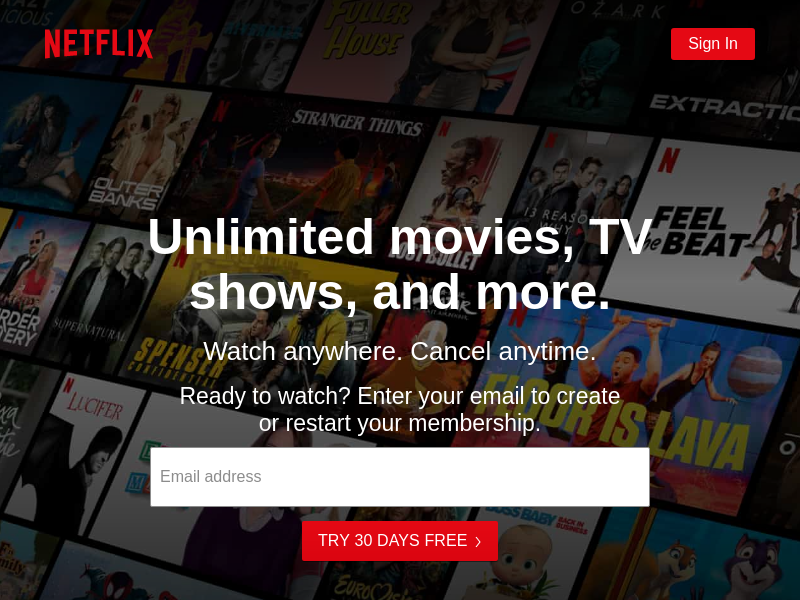
PNG screenshot with quality set to 100 (560KB):
// Line breaks added for readability https://api.addscreenshots.com/screenshots
?apikey=YOUR_API_KEY
&quality=80
&url=https://www.netflix.com
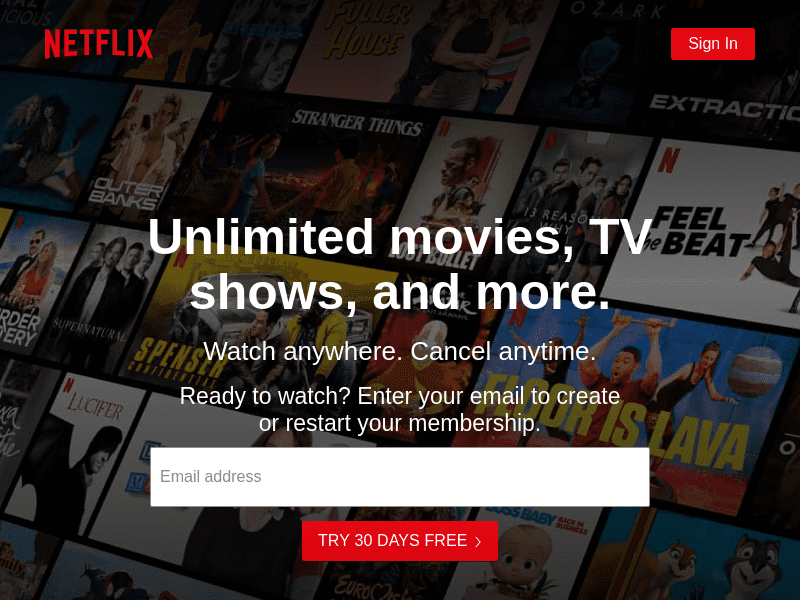
PNG screenshot with quality set to 80 (146KB - about 4 times smaller):
// Line breaks added for readability https://api.addscreenshots.com/screenshots
?apikey=YOUR_API_KEY
&quality=60
&url=https://www.netflix.com
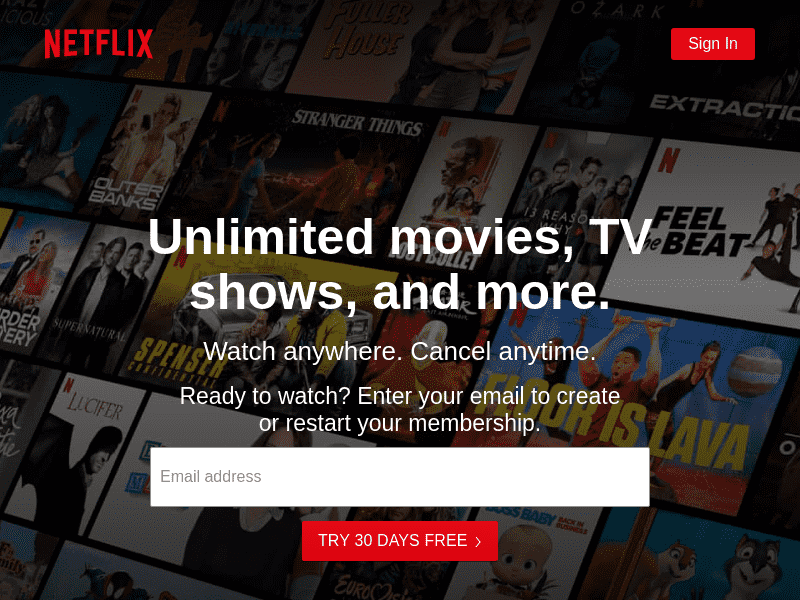
PNG screenshot with quality set to 60 (123KB):
// Line breaks added for readability https://api.addscreenshots.com/screenshots
?apikey=YOUR_API_KEY
&quality=40
&url=https://www.netflix.com
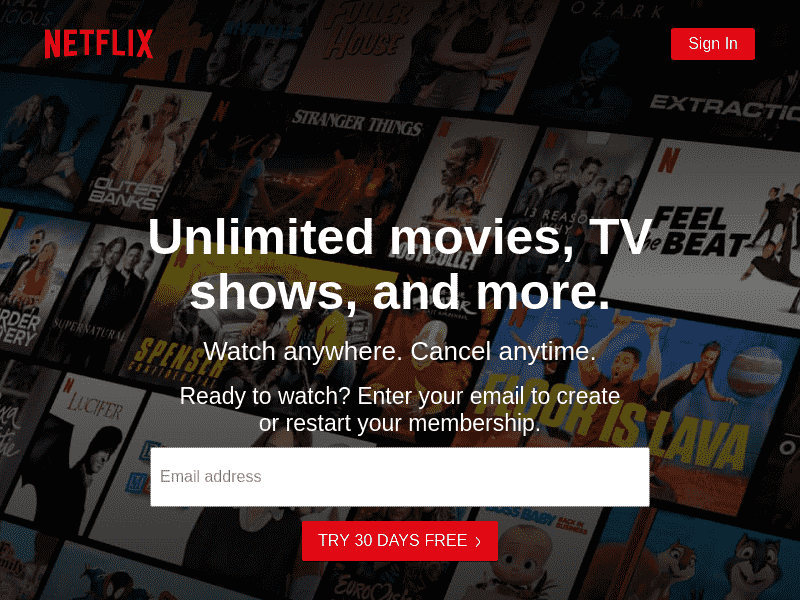
PNG screenshot with quality set to 40 (101KB):
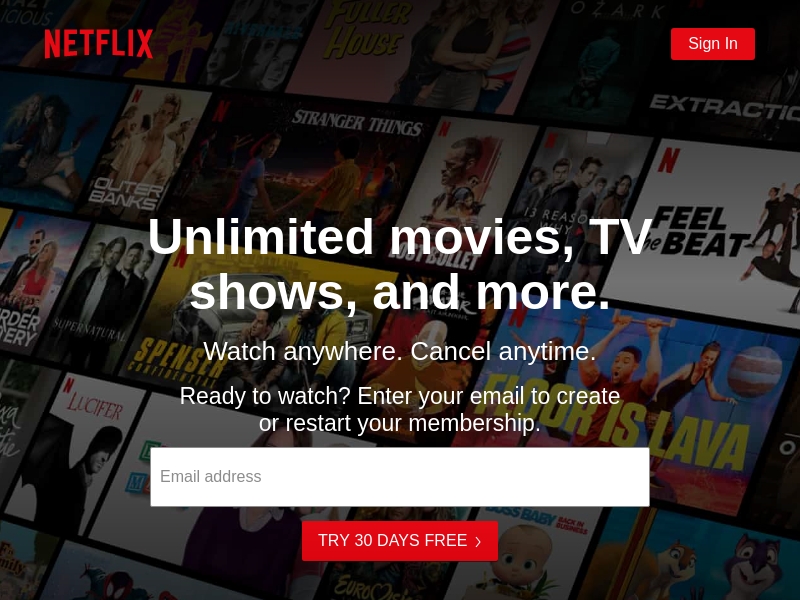
// Line breaks added for readability https://api.addscreenshots.com/screenshots
?apikey=YOUR_API_KEY
&quality=100
&format=jpeg
&url=https://www.netflix.com
JPEG screenshot with quality set to 100 (307KB):
// Line breaks added for readability https://api.addscreenshots.com/screenshots
?apikey=YOUR_API_KEY
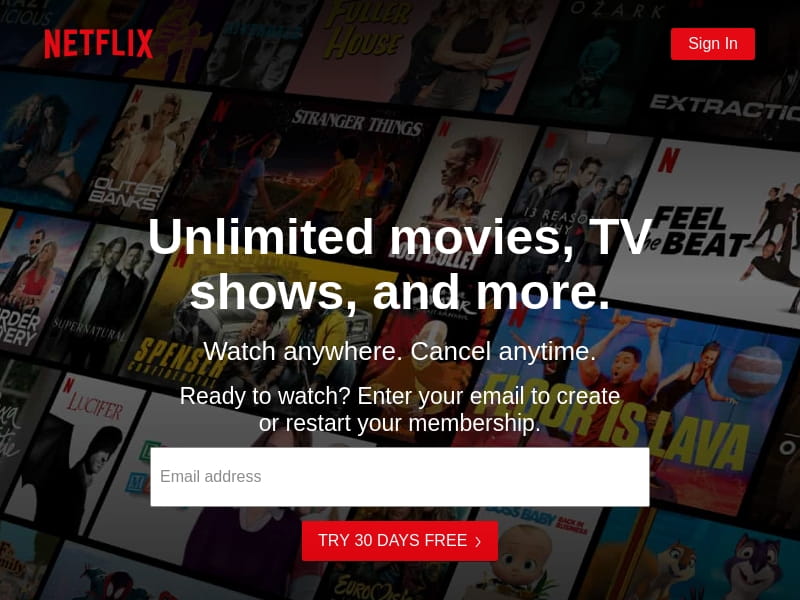
&quality=80
&format=jpeg
&url=https://www.netflix.com
JPEG screenshot with quality set to 80 (76KB - about 4 times smaller):
// Line breaks added for readability https://api.addscreenshots.com/screenshots
?apikey=YOUR_API_KEY
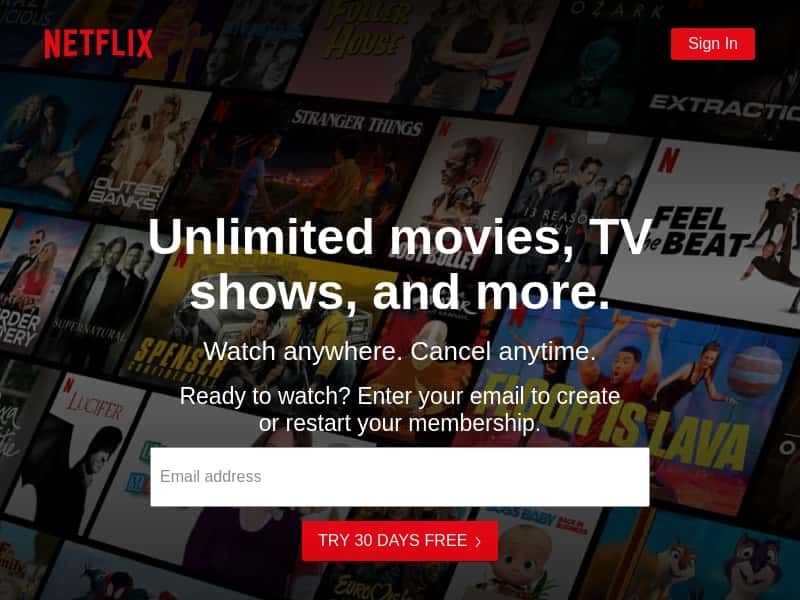
&quality=60
&format=jpeg
&url=https://www.netflix.com
JPEG screenshot with quality set to 60 (45KB):
Automate Optimized Screenshots
// Line breaks added for readability https://api.addscreenshots.com/screenshots
?apikey=YOUR_API_KEY
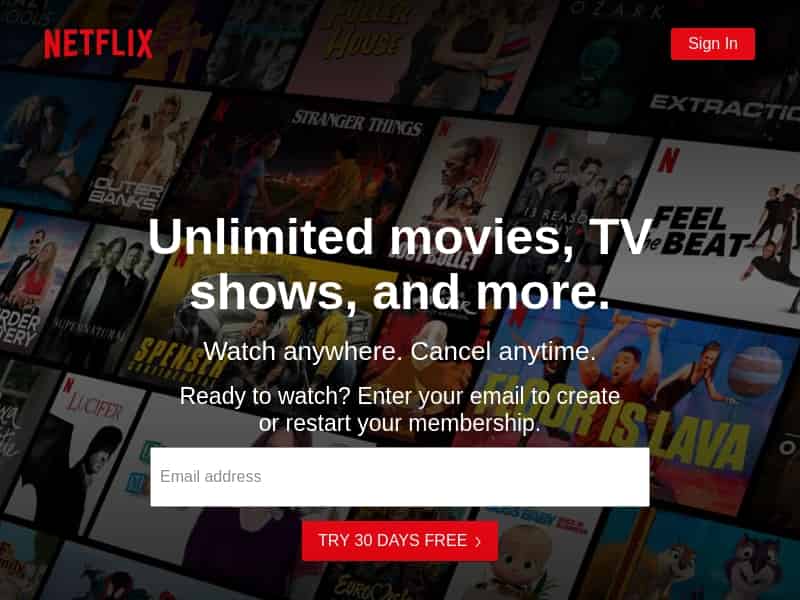
&quality=40
&format=jpeg
&url=https://www.netflix.com
JPEG screenshot with quality set to 40 (38KB):
Store the setting in a request template, then apply it across formats, viewports, schedules, and storage destinations.
Add &quality=VALUE (1-100) to your Add Screenshots request. Lower values reduce file size while higher values preserve fidelity.
PNG and JPEG support quality adjustments. Combine this with WEBP or AVIF outputs for additional savings.
Yes. Send optimized screenshots directly to AWS S3, Azure, Google Cloud, Cloudflare R2, or email using request templates, schedules, and webhooks.